Ponderlodge (Villas WMA) Habitat Restoration Project
This purpose of this project is to create and enhance stopover habitat for migratory birds and other wildlife through reforestation, grassland enhancement, and the creation of a "Backyard Habitat Demonstration Site."
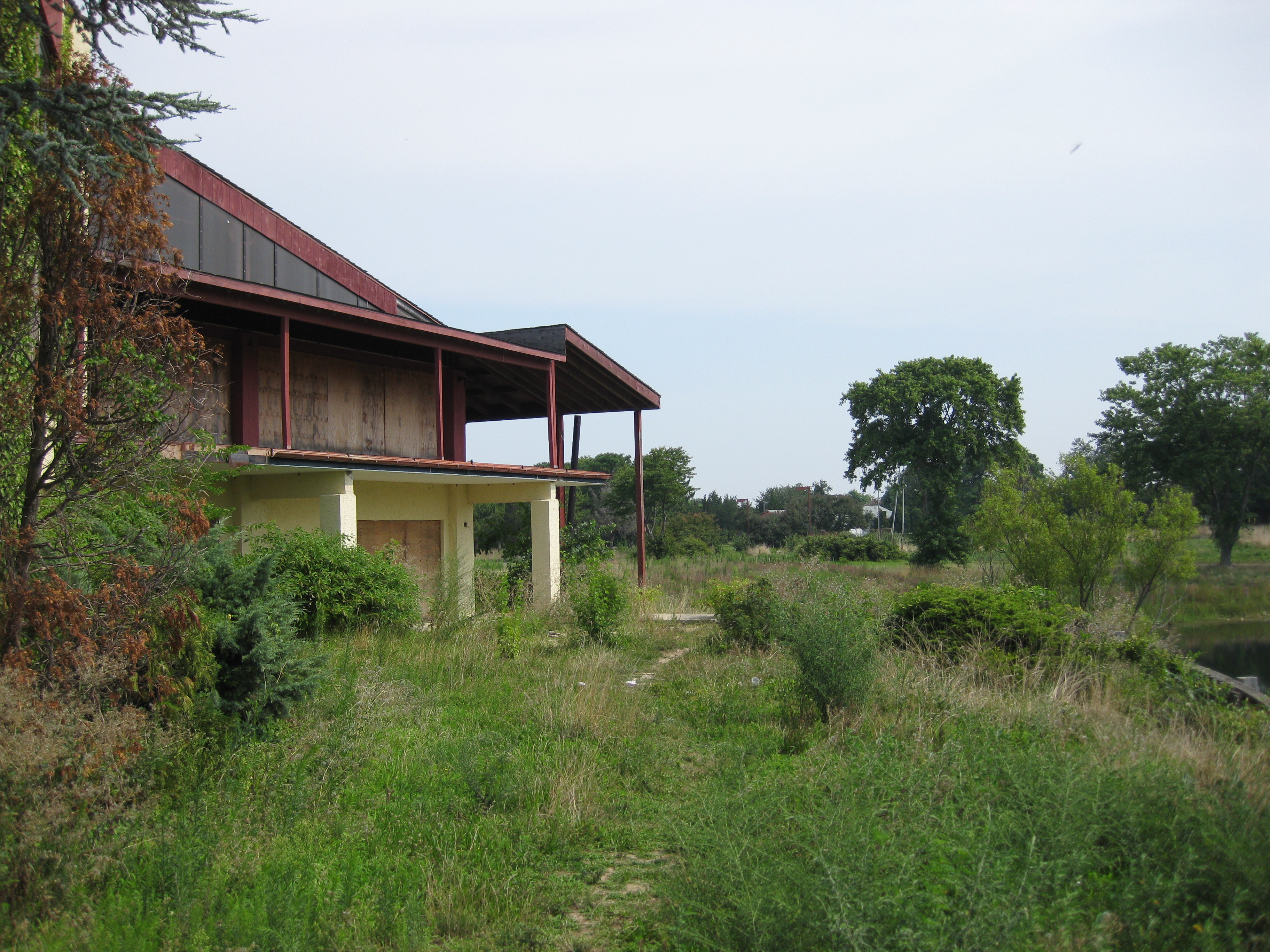
Area inside Cox Hall Creek WMA where the old Ponderlodge Golf Course lodge was. It was demolished in early 2011. In 2012 we will be installing a "Backyard Habitat Demonstration Site" to display habitat types and plants that are beneficial to wildlife. © Ben Wurst
During the spring and fall the Cape May Peninsula, at the southern tip of New Jersey, plays an essential role in providing habitat for wildlife to rest and refuel. Each year, millions of migrating songbirds, raptors, and shorebirds are funneled into the Lower Peninsula during fall migration. Thousands of tourists and birders also flock to New Jersey each year to view this spectacular event.
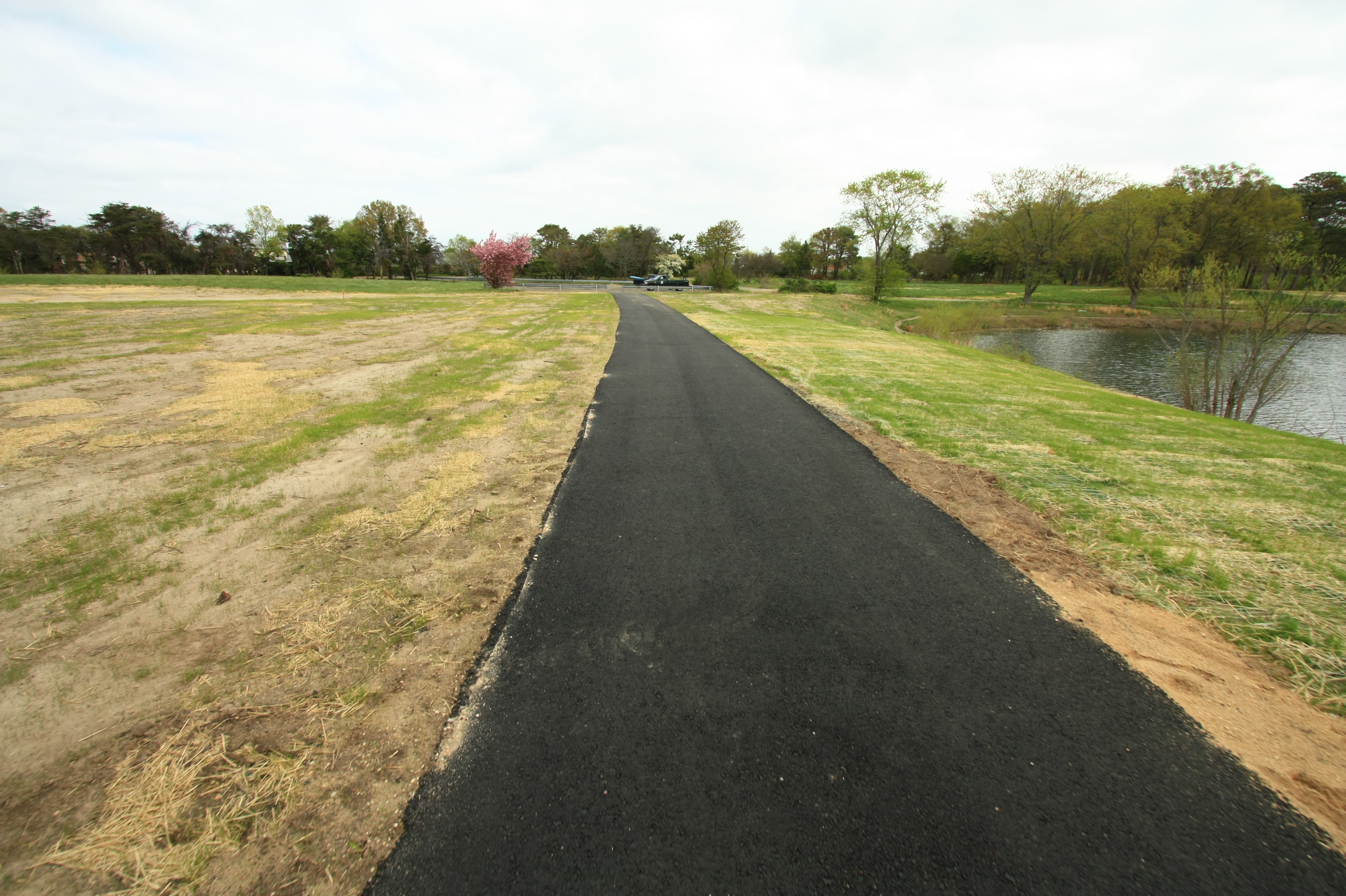
The “Ponderlodge Golf Course” was purchased in February 2006 by New Jersey’s Green Acres Program. It’s location near the Cape May Peninsula means that it is crucial for the survival of many migratory birds. After being purchased, it was instantly prized by residents and outdoor enthusiasts for its size, location, and recreational opportunities. The 253-acre golf course in its current state has little value to wildlife because of the poor habitat that exists there. Those who visit the site can still see the remnants of the golf course, including a lodge, the remnants of a mansion, paved trails, and many ponds and sand traps. All of the buildings were scheduled to be removed in 2009 by the Department of Environmental Protection (DEP) until an effort to save the buildings halted demolishion. Currently, NJ DEP has continued the process to demolish the buildings and restore habitat on site.
Zoom+ A map of the current activities for 2010. Map courtesy NJ Fish and Wildlife
This restoration project at “Ponderlodge” is desperately needed. The old “fairways” are covered with non-native grasses and the forests are small and sparse. This project will result in the restoration, enhancement, and creation of over 15 acres of habitat for migratory birds and other wildlife for people to enjoy. It will focus on reforestation of fairways, grassland enhancement, invasive species identification and control, and a backyard habitat demonstration garden. We plan to utilize other organizations, businesses, civic groups, and volunteers to help us plant trees and shrubs to help us achieve our goal.
Reforestation
Zoom+ A white pine seedling is protected by a tree tube which also helps boost photosynthesis. © Ben Wurst
Many old fairways are beginning to succumb to the natural process of succession. They are being colonized by pioneer species of trees and shrubs like Black cherry, Sumac, Mulberry, Red cedar, and Sassafrass. Since 2009, we have planted over 1,500 bare root tree seedlings along several old fairways on site to help speed up forest succession and increase biodiversity. Tree species planted include Pitch pine, White pine, Shortleaf pine, Chestnut oak, Northern bayberry, Sweet gum, and Black walnut. Over the next few years we will continue our reforestation efforts at Ponderlodge.
Grassland Enhancement
Zoom+ A sign informs the public about our efforts to enhance grassland habitats on a former fairway at "Ponderlodge." © Ben Wurst
We are working with the NJ Division of Fish and Wildlife's Bureau of Land Management to seed warm season grasses and wildflowers to 12 acres of existing fairways on site. Warm season grasses provide food (from the grasses themselves) and from the invertebrates that are attracted to them. Warm season grasses can also survive severe droughty periods and need little maintenance once established. There is also little to no need for pesticides, herbicides, and fertilizers, unlike typical farm crops which require much more input once established. Some species that utilize grasslands are the Bobolink, Savannah sparrow, Grasshopper sparrow, Eastern Meadowlark, Field sparrow, Vesper sparrow, Northern bobwhite, Wild turkey, and other small game birds.
Backyard Habitat Demonstration Site
There will be several different habitat treatments that will be used in this part of the project which is meant to display and eduate the public about the importance of backyard habitat to wildlife, especially migratory birds. Display treatments include: planting native shade and fruit trees, creating hedgerows, wildflower meadows for nectar and seed production, a brush pile, small pond, rock pile, and surrounding warm season grass establishment. Interpretive signs will be designed and installed to help educate the public. The CWF will seek to recruit volunteers, including Master Gardeners, in the surrounding area to help maintain the area. All plantings will be native species that provide the best food and cover. Native species are the most tolerable to natural conditions and provide the best habitat for wildlife. Currently, this aspect of the project is in the planning stage. We are working with NJ Fish and Wildlife to determine the best location for this feature. We hope to begin work in early 2012.
News:
- August 2011 - CWF has hired Jean Marcucci, owner of Greenjean Gardens, LLC to design our Backyard Habitat Demonstration Site.
- November 2010 - CWF has received a grant from Conservation Resources to reforest 2 acres and to calculate the amount of carbon dioxide being sequestered.
Project Reports:
Ponderlodge Reforestation CRI Grant Report 2011 - 376.2KB |
Links and resources:
- NJ Fish and Wildlife's Draft Habitat Restoration Plan for Ponderlodge
- September 16, 2010 News Release - Carbon sequestration grant application
Find Related Info: Habitat Restoration