Share | facebook twitter flickr flickr
DonateAdoptExplore

Did you know?

Habitat loss is the greatest single problem that effects population declines of rare wildlife.

e-postcards

Image of ePostcard Image w/ words


Status of New Jersey's Rare Wildlife

New Jersey's Wildlife Populations in Danger: A Status Report for 2012.


Image of A female terrapin hides in her shell as she attempts to cross Great Bay Blvd. A female terrapin hides in her shell as she attempts to cross Great Bay Blvd. © Ben Wurst

Biologists with the Conserve Wildlife Foundation of New Jersey help monitor and manage many endangered and threatened species in New Jersey in cooperation with the Endangered and Nongame Species Program. Each year we summarize the results of surveys and monitoring programs to show the most current information about the status of New Jersey's wildlife. Below you will find a brief summary for species that we help monitor and manage.

Bald eagles and ospreys had record-breaking years while Allegheny woodrats and Indiana bat populations continued to struggle. Much of our work could not be completed without the help of a core of dedicated volunteers. They are an indispensable group of people and we are able to report on the great successes (and unfortunate disappointments) because of their dedication.


ALLEGHENY WOODRAT: Annual fall monitoring resulted in the capture of 12 woodrats, 4 less than last year. However, a significant number of traps were disturbed by raccoons which likely contributed to the decline.

BALD EAGLES: 135 territorial eagle pairs were monitored, including 27 newly documented pairs. A record high of 165 young were produced from 119 active pairs.

BLACK SKIMMERS: 2839 black skimmers nested in 2012, a significant increase from 2011 partly due to survey inconsistencies between years. Nearly the entire state breeding population was concentrated in one colony. Productivity was robust with about 800 chicks fledged.

BOG TURTLES: An additional 76 historic bog turtle sites have been evaluated for habitat potential and restoration efforts continue at priority locations.

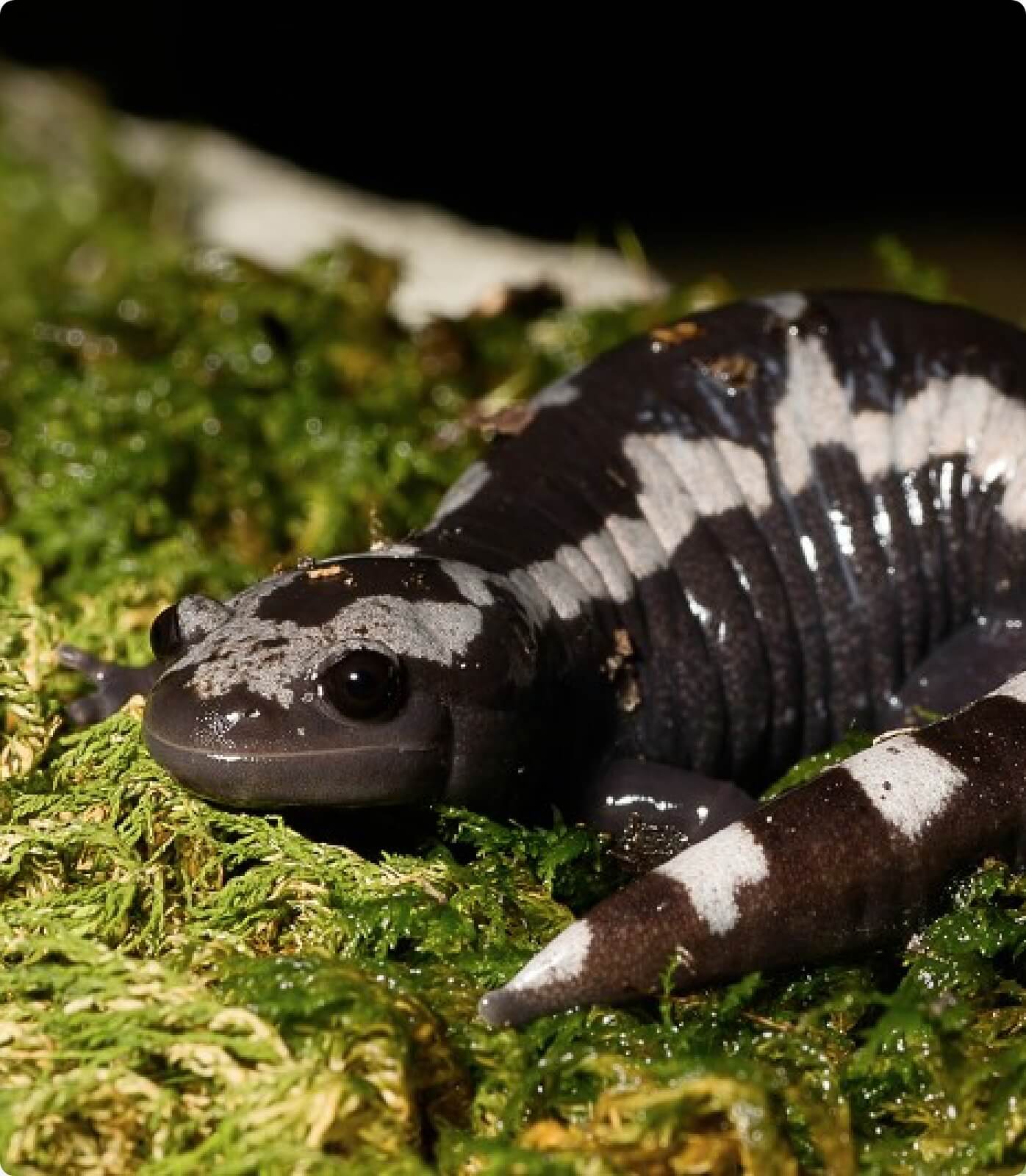
EASTERN TIGER SALAMANDERS: Successful breeding was recorded at newly constructed vernal pools in Cape May County.

INDIANA BATS: Numbers remain low at Hibernia Mine with fewer than 10 observed during the 2011-12 hibernation season. Surprisingly, for the second year, pre-hibernation sampling at Mt. Hope Mine recorded 400 Indiana bats, exceeding all other species captured.

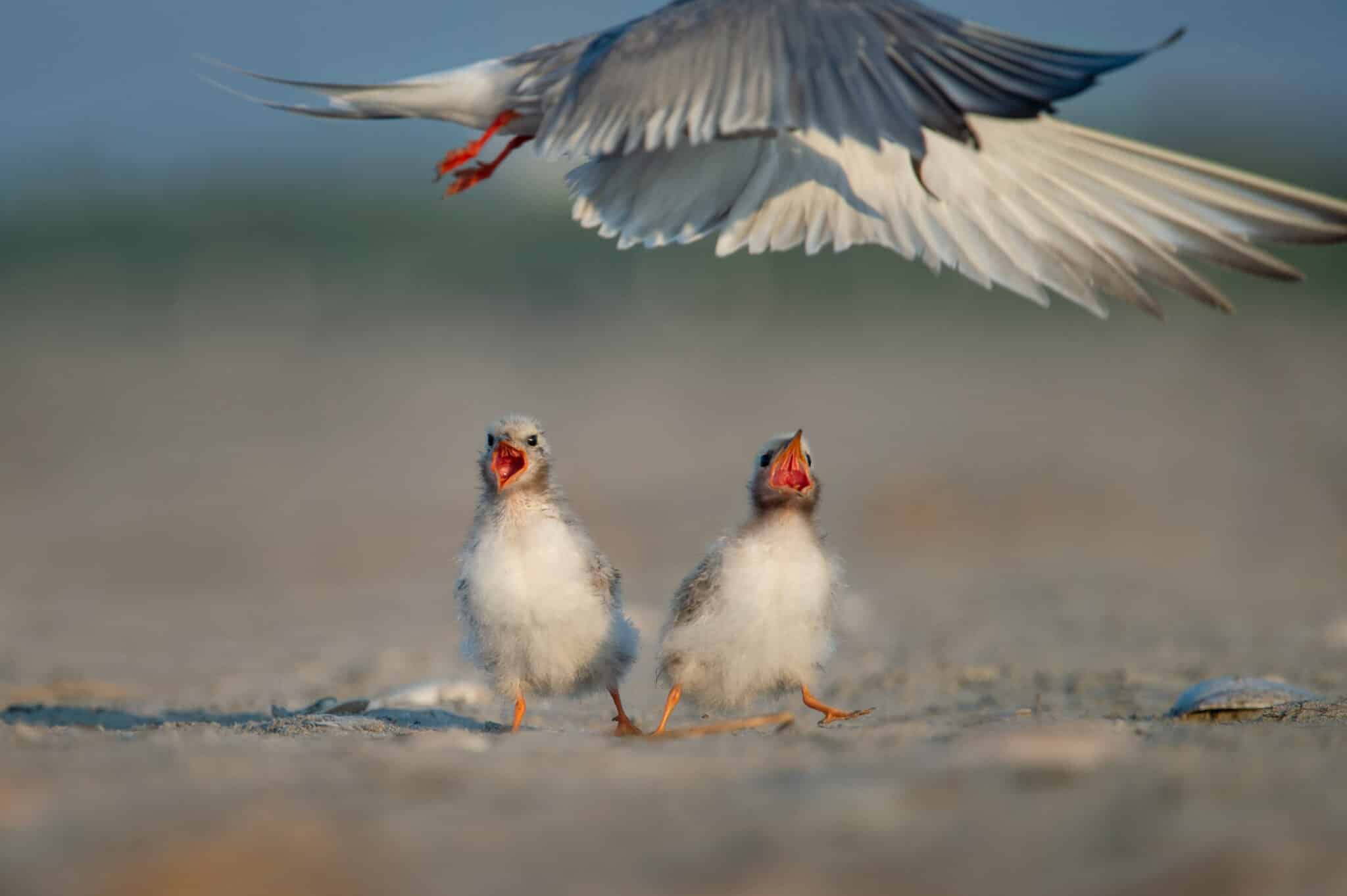
LEAST TERNS: 1146 least terns were present at 20 breeding colonies in 2012, similar to recent years. Productivity was very strong with 538 fledglings produced.

Image of CWF volunteer intern Kristin Ryerson places an osprey nestling that was blown from its nest back in Absecon in early July. Zoom+ CWF volunteer intern Kristin Ryerson places an osprey nestling that was blown from its nest back in Absecon in early July. © Ben Wurst

MIGRATORY SHOREBIRDS: Numbers of shorebirds on the Delaware Bay migratory stopover remained at historically low levels. There was an uptick in red knot numbers but ruddy turnstones were at their lowest abundances in 25 years.

OSPREYS: Nearly 600 young were produced, slightly reduced this year due to severe weather. 431 nestlings were banded, a new high.

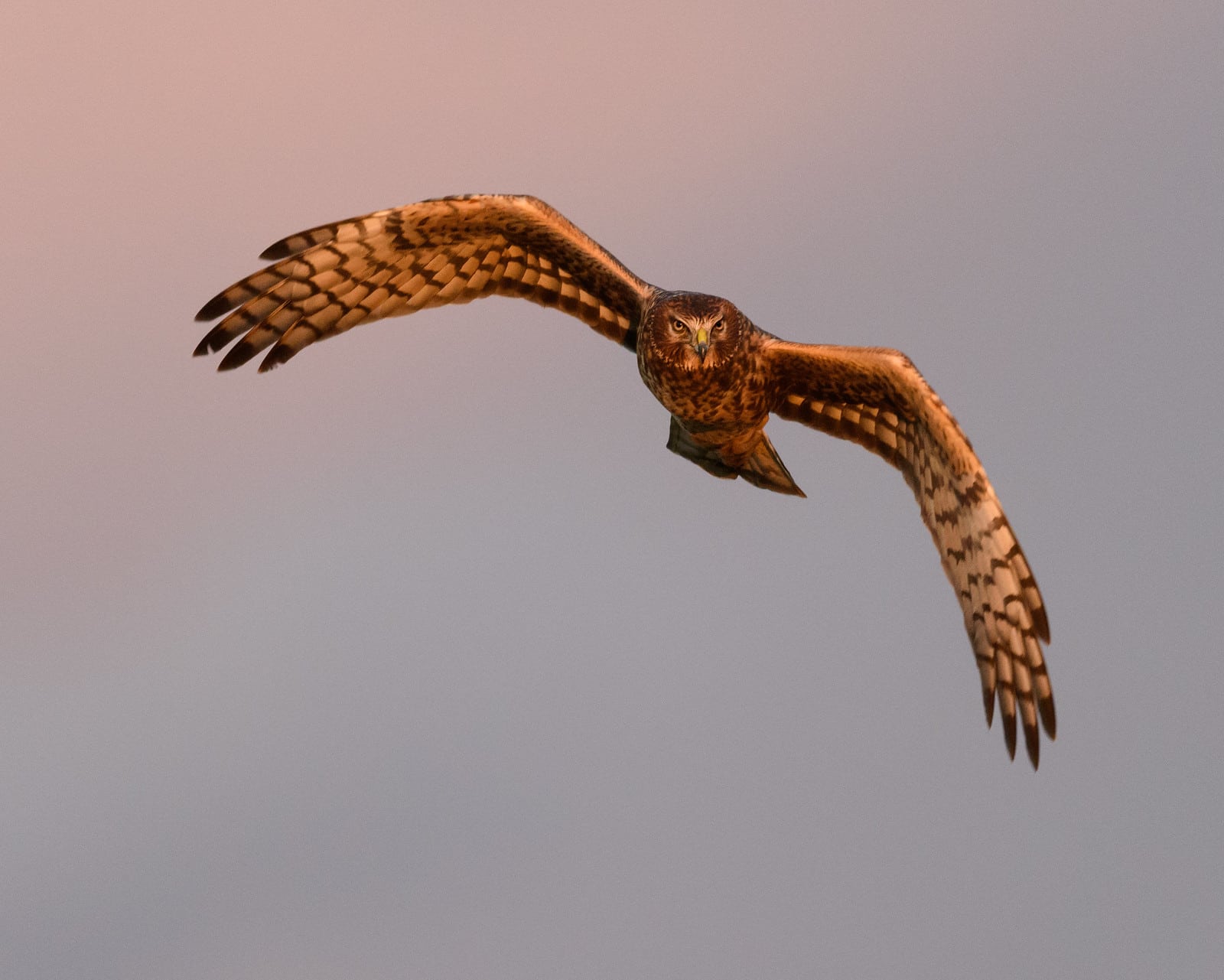
PEREGRINE FALCONS: 23 known pairs produced 52 young. Average productivity was 2.26 young/active nest, an increase from last year.


PIPING PLOVERS: 121 pairs of piping plovers nested in NJ, which is average for the past two decades. Productivity was very poor at just .70 chicks fledged per pair due largely to flooding.

TERRAPINS: Mortality on Great Bay Blvd. in Little Egg Harbor was reduced by 5% this summer.


Learn More:

Sources: Biologists for Conserve Wildlife Foundation and
NJ Endangered and Nongame Species Program

Now Streaming: Osprey Cam!

Image of A juvenile osprey stares down biologist Ben Wurst as he prepares to place a leg band on it for future tracking.

Ospreys are back and our osprey cam is streaming live from Edwin B. Forsythe NWR.

>> Watch Now


icon Sign up for Email

Don't miss the latest wildlife news from Conserve Wildlife Foundation.

Image of signup email